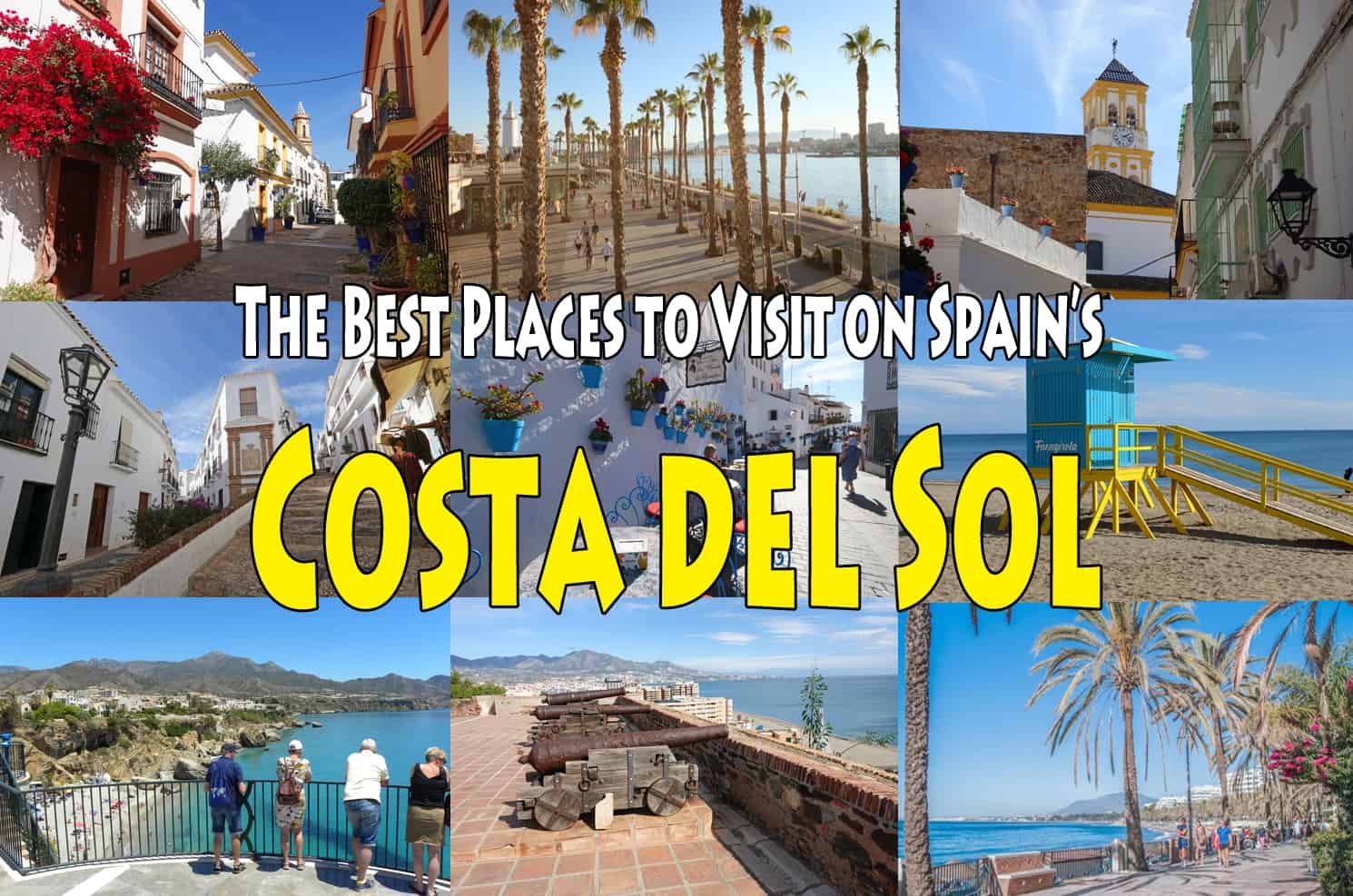
Costa del Sol Villages Guide: From Málaga to Sotogrande – Complete Guide to Towns, White Villages & Lifestyle Benefits
The Costa del Sol stretches more than 150 kilometres along the Mediterranean coastline of Málaga province in southern Spain. From the dramatic cliffs near Nerja in the east to the exclusive enclave of Sotogrande in the west, this sun-drenched region offers an extraordinary variety of towns, coastal resorts and authentic white villages. Whether you are looking for a holiday destination, a permanent home or a property investment, understanding the unique character of each area is essential.
This comprehensive guide covers every major town and village from Málaga to Sotogrande, explores the many benefits of life on the Costa del Sol, and helps you decide which location best matches your lifestyle.
Why the Costa del Sol Stands Out in Europe
The Costa del Sol is famous for more than 300–320 sunny days per year, mild winters and a Mediterranean climate protected by mountain ranges. Average annual temperatures hover around 18–19°C. Summers are warm but tempered by sea breezes, while winters rarely drop below comfortable levels during the day. This exceptional microclimate supports year-round outdoor living, golf, hiking, beach life and a healthy Mediterranean lifestyle.
Key benefits include:
- Abundant natural vitamin D and improved mood from consistent sunshine
- Lower rates of seasonal affective disorder compared with northern Europe
- Year-round opportunities for outdoor exercise and active ageing
- Excellent international schools, healthcare facilities and transport links (including Málaga Airport)
- A rich blend of Andalusian culture, modern amenities and an international community
- World-class golf (often called the “Costa del Golf”), beaches, marinas and mountain scenery
These advantages attract families, retirees, remote workers and investors from across Europe and beyond.
Eastern Costa del Sol: From Nerja to Málaga
The eastern section of the Costa del Sol, often called the Axarquía, is quieter and more traditional than the western resorts. It features dramatic cliffs, subtropical agriculture and some of the region’s most beautiful white villages.
Nerja
Nerja sits at the eastern gateway of the Costa del Sol, about 50 km from Málaga. Famous for the Balcón de Europa viewpoint and the spectacular Nerja Caves, the town combines sandy coves, a lively old town and a relaxed atmosphere. It attracts visitors seeking nature, culture and a slower pace than the central resorts.
Frigiliana
Just inland from Nerja, Frigiliana is widely regarded as one of the most beautiful white villages in Spain. Its Moorish barrio alto (upper quarter) features narrow cobbled streets, whitewashed houses, flower-filled balconies and ceramic tile murals that tell the story of the 16th-century Morisco revolt. The village also houses Europe’s last operating cane-honey (miel de caña) factory. Frigiliana offers panoramic views toward the Mediterranean and a genuine Andalusian atmosphere.
Torrox, Algarrobo and Vélez-Málaga
Torrox is often cited for its excellent climate and quiet beaches. Algarrobo combines a Moorish-influenced inland village with a small coastal area. Vélez-Málaga is the main town of the Axarquía, offering a historic centre, nearby Torre del Mar beach and easy access to both mountains and sea.
Rincón de la Victoria
Located between Málaga and Vélez-Málaga, Rincón de la Victoria provides a more residential and local feel with good beaches and proximity to the provincial capital.
Central Costa del Sol: Málaga City and the Classic Resorts
Málaga
The capital of the province and the cultural heart of the Costa del Sol, Málaga has transformed dramatically in recent decades. It offers the Picasso Museum, Carmen Thyssen Museum, the historic Alcazaba fortress, a Roman theatre, a vibrant old town, a modern port and excellent restaurants. Málaga Airport is the main gateway to the entire coast. The city combines authentic Andalusian life with a growing international and tech scene.
Torremolinos
One of the original tourist destinations of the Costa del Sol, Torremolinos features long sandy beaches (including the popular La Carihuela area), a lively promenade, water parks and a strong international community. It remains popular with families and visitors seeking convenient beach access close to the airport.
Benalmádena
Benalmádena is divided into three distinct areas: Benalmádena Costa (beaches and the impressive Puerto Marina), Arroyo de la Miel (a more residential and commercial centre) and Benalmádena Pueblo (a charming white village perched above the coast). The marina, cable car to Mount Calamorro and varied amenities make it a versatile destination.
Fuengirola
Fuengirola offers one of the longest seafront promenades on the Costa del Sol, extensive beaches, a large international population (especially Scandinavian and British), weekly markets and excellent family facilities. It is well connected by train to Málaga and popular for year-round living.
Mijas and the Transition to Luxury
Mijas
Mijas is unique in offering both a classic white village and extensive coastal development. Mijas Pueblo sits high in the hills with cobbled streets, donkey taxis, panoramic viewpoints and traditional Andalusian charm. Below it, Mijas Costa and La Cala de Mijas provide beaches, golf courses and modern residential areas. The combination of mountain tranquillity and coastal convenience is one of the strongest attractions of the municipality.
The Heart of the Costa del Sol: Marbella and Surroundings
Marbella
Marbella remains the most internationally recognised name on the Costa del Sol. It offers 28 kilometres of coastline, four marinas (including the glamorous Puerto Banús), a beautifully preserved old town (Casco Antiguo) filled with orange trees and flower pots, world-class restaurants, luxury shopping and a sophisticated lifestyle. Areas such as the Golden Mile, Nueva Andalucía and San Pedro de Alcántara each have their own character. Marbella attracts a mix of long-term residents, second-home owners and high-end tourism.
Inland White Villages near Marbella
Several authentic white villages lie just inland and are considered part of the wider Costa del Sol lifestyle:
- Ojén – Closest white village to Marbella, set in the foothills of the Sierra Blanca and Sierra de las Nieves. Known for its aguardiente liqueur and mountain scenery.
- Istán – Quiet village on the edge of the Sierra de las Nieves National Park, popular for hiking and natural pools.
- Benahavís – Often called the “dining room of the Costa del Sol” because of its high concentration of excellent restaurants. Surrounded by luxury residential estates and golf courses.
- Monda – Smaller, more traditional inland village with a castle and authentic atmosphere.
Western Costa del Sol: Estepona to Sotogrande
Estepona
Estepona has reinvented itself as the “Garden of the Costa del Sol”. Its beautifully renovated old town features flower-filled streets, whitewashed houses and a relaxed atmosphere. The town offers long beaches, a modern marina, extensive parks and better value than Marbella while retaining excellent sunshine and amenities. It has become increasingly popular with families and those seeking a more authentic Spanish feel combined with modern facilities.
Casares
Casares is one of the most photogenic white villages in Andalusia. Its houses cling dramatically to a rocky outcrop crowned by a Moorish castle. The inland village offers authentic atmosphere, while Casares Costa provides beach access and residential developments. It is the birthplace of Blas Infante, a key figure in Andalusian regional identity.
Manilva
The westernmost municipality of Málaga province includes the coastal areas of San Luis de Sabinillas and Puerto de la Duquesa (marina and golf) as well as the inland white village of Manilva itself. It offers a quieter, more affordable alternative with good beaches and proximity to both Estepona and Sotogrande.
Sotogrande
Technically located in the province of Cádiz but closely linked to the Costa del Sol lifestyle and property market, Sotogrande is an exclusive planned residential and sporting community. Founded in the 1960s, it is known for world-class golf (including Valderrama), polo, a large marina, international schools, privacy and large luxury villas. Nearby coastal and inland areas such as Guadiaro and Pueblo Nuevo de Guadiaro serve everyday needs.
The Many Benefits of Life on the Costa del Sol
Climate and Health
The combination of Mediterranean Sea influence and mountain protection creates one of Europe’s most stable and pleasant climates. Residents enjoy:
- High levels of natural vitamin D
- Reduced joint pain and respiratory issues for many people
- Year-round opportunities for walking, swimming, cycling and golf
- Lower heating costs and greater outdoor living space utilisation
Lifestyle and Community
The Costa del Sol offers a genuine Mediterranean lifestyle: fresh local produce, seafood, olive oil, outdoor dining, fiestas and a strong sense of community. At the same time, the large international population means English is widely spoken in many areas, international schools are available, and there is a full range of clubs, sports and social activities.
Practical Advantages
Excellent road connections (A-7 and AP-7), frequent flights from Málaga Airport to most European cities, high-quality public and private healthcare, and a mature property market make the region practical for both permanent relocation and second homes.
Choosing the Right Village or Town for You
Your ideal location depends on priorities:
- Culture and city life → Málaga
- Classic beach resort convenience → Torremolinos, Benalmádena, Fuengirola
- Balance of village charm and coast → Mijas, Estepona
- Luxury and international glamour → Marbella and Puerto Banús
- Quiet nature and traditional atmosphere → Nerja, Frigiliana, Casares, inland white villages
- Privacy, golf and space → Sotogrande, Benahavís, Manilva
Many people start by renting for a season to experience different areas before buying.
Final Thoughts: The Costa del Sol Offers Something for Everyone
From the rugged eastern cliffs and white villages of the Axarquía to the sophisticated resorts of Marbella and the exclusive estates of Sotogrande, the Costa del Sol delivers an exceptional quality of life. Its climate, natural beauty, cultural depth and modern infrastructure continue to make it one of the most desirable stretches of coastline in Europe.
Whether you come for a holiday, a winter escape or a permanent move, exploring the distinct character of each town and village reveals why so many people fall in love with this part of Andalusia. The sun, the sea, the mountains and the warm Mediterranean lifestyle create a combination that is hard to match anywhere else.
Ready to discover your perfect corner of the Costa del Sol? Start with a visit to a few of the villages mentioned above — the real magic is best experienced in person.