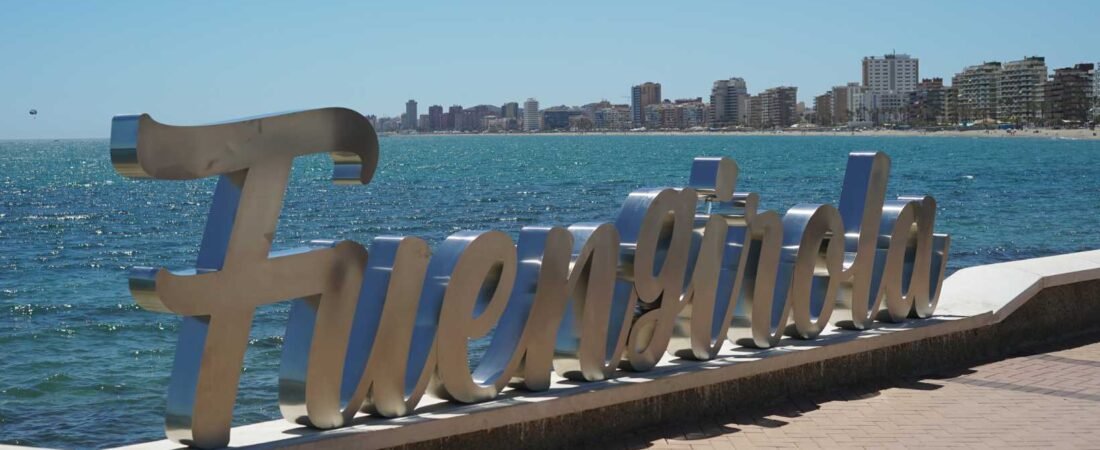
Fuengirola: The Ultimate 2026 Guide to the Costa del Sol’s Most Liveable Beach Town
Fuengirola sits on the western Costa del Sol, roughly 25–30 km southwest of Málaga Airport, and has grown from a modest fishing settlement into one of the most practical and enjoyable year-round bases on the Spanish Mediterranean. With around eight kilometres of continuous beach, a long palm-lined promenade, a well-regarded immersive zoo, a Moorish castle, excellent train connections, and a genuine local centre that still feels Spanish rather than purely resort-built, it attracts both short-stay visitors and people who decide to stay for months or years.
This guide covers everything you need to plan a visit or understand the town: its history, beaches, main attractions, neighbourhoods, food scene, practical transport, events, day trips, and honest tips for different types of travellers.
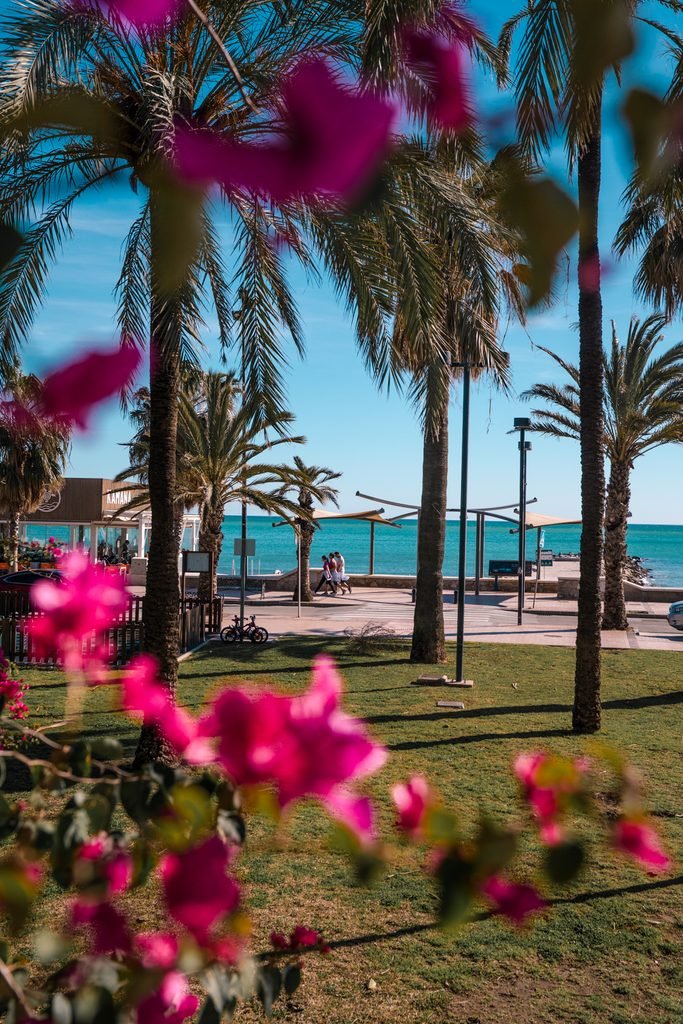
A Brief History of Fuengirola
The area has been occupied for nearly three thousand years. Phoenician traders established a settlement here, later developed by the Romans into the town of Suel. Remains of Roman structures, including baths and a necropolis, have been found near Torreblanca and Finca del Secretario. The hill now crowned by Sohail Castle was strategically important because it controlled the river mouth and the coastal road.
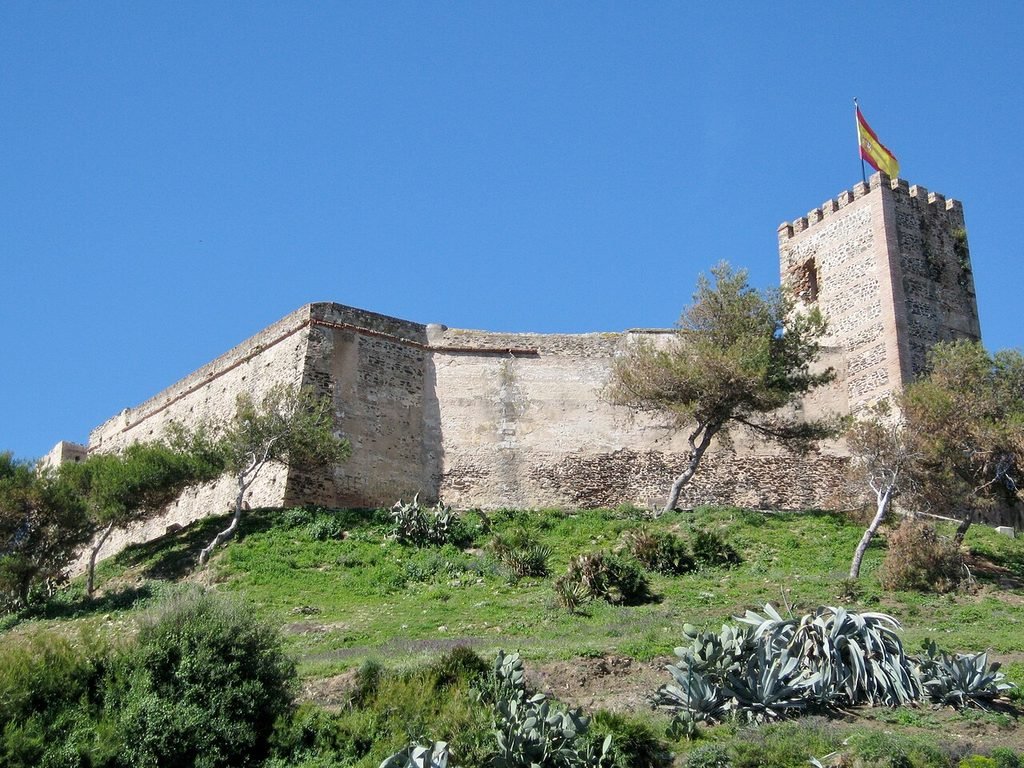
In the 10th century, Abd-al-Rahman III ordered the construction of a fortress on the site. The castle you see today is largely the result of later Moorish work and modifications after the Christian reconquest. For centuries the settlement remained a small agricultural and fishing community. It belonged to the municipality of Mijas until 1841, when it became independent. The arrival of the railway in the early 20th century improved access, but the real transformation began in the 1960s and 1970s with the boom in mass tourism along the Costa del Sol. High-rise apartment blocks and hotels appeared, yet Fuengirola retained a working Spanish core in a way that some neighbouring resorts did not.
Today the town has a large international resident population alongside Spanish locals. English, Scandinavian, German, and other languages are commonly heard, but the daily rhythm still includes early morning markets, afternoon siestas in quieter streets, and lively evening promenades.
Fuengirola Beaches and the Paseo Marítimo
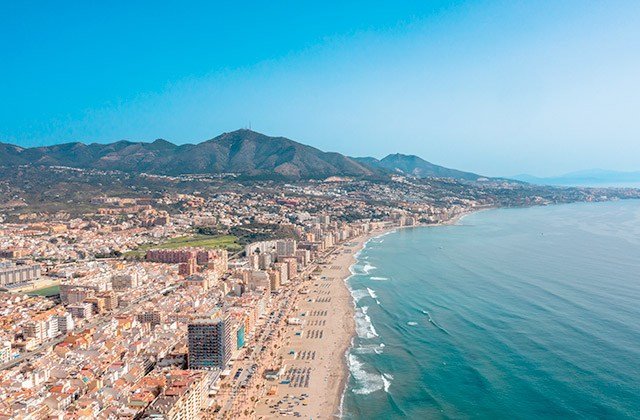
The beach is the main reason most people visit. The sand is generally darker than the fine golden beaches further west, and the water is typically calm and suitable for families. The entire stretch is backed by the Paseo Marítimo Rey de España, a wide, mostly flat promenade that is excellent for walking, cycling, running, or simply people-watching. Sunbeds and umbrellas are available for hire in season, and chiringuitos (beach bars) serve everything from grilled sardines to full meals.
Key beach sections include:
- Playa de Fuengirola / Santa Amalia / San Francisco – the central stretch closest to the old town and marina. Busy in summer, well-serviced, and convenient for restaurants.
- Los Boliches – Las Gaviotas – often considered one of the most family-friendly areas. Wider sand, good facilities, and a slightly more relaxed atmosphere than the absolute centre.
- Carvajal – further east, popular with younger visitors and those seeking a livelier beach scene.
- Playa del Castillo – at the western end beneath Sohail Castle. Quieter and good for combining a swim with a short walk up to the fortress.
- Torreblanca – eastern end, quieter residential feel.
Most beaches hold Blue Flag status in recent seasons, with toilets, showers, lifeguards in season, and accessibility features. The promenade continues almost seamlessly into neighbouring Benalmádena to the east.
Top Attractions in Fuengirola
Sohail Castle (Castillo de Sohail)
Perched on a rocky promontory at the western end of the beach, this free-to-enter site offers the best elevated views of the coastline. The structure dates mainly from the 10th century with later additions. In summer it hosts the Marenostrum concert series under the stars. Even without an event, the short climb and the surrounding park make it worth the visit. Archaeological remains of earlier settlements lie nearby.
Bioparc Fuengirola
Located right in the town centre on Avenida Camilo José Cela, this is one of the best modern zoos in Spain. Rather than traditional cages, it recreates tropical habitats (Madagascar, equatorial Africa, Indo-Pacific). Visitors walk through lush vegetation with waterfalls and dense planting, coming close to gorillas, tigers, orangutans, lemurs, hippos, and many other species. It is strong on conservation and education programmes. Plan 3–4 hours. Tickets are best bought online in advance during peak periods.
Fuengirola Marina (Puerto Deportivo)
A pleasant area for a stroll, boat trips, and waterside dining. From here you can take short coastal cruises, fishing trips, or longer excursions. The marina has a more upmarket feel than the main beachfront and is popular in the evenings.
Old Town and Plaza de la Constitución
The historic centre is compact and walkable. Whitewashed buildings, narrow streets, the Church of Our Lady of the Rosary, and the main square form the traditional heart of the town. It is quieter during the day and livelier in the late afternoon and evening when people gather for drinks and tapas.
Tuesday Market
One of the largest and best-known street markets on the Costa del Sol. Held on Tuesdays, it attracts crowds from across the coast for clothing, household goods, fresh produce, and general bargains. Arrive early if you want to avoid the biggest crowds.
Sohail Fluvial Park and other green spaces
A modern recreational area with a navigable canal, playgrounds, and open space near the castle end of town. Good for families and a change of pace from the beach.
Other options include urban art routes (especially in El Boquetillo), adventure golf, and seasonal water parks or inflatable sea parks on certain beaches.
Neighbourhoods and Atmosphere
Fuengirola is more than one uniform resort. Los Boliches retains a stronger Spanish character and is popular with long-term residents. The centre is the busiest commercial and tourist zone. Torreblanca and Carvajal feel more residential. The international community is large, which means English is widely spoken in restaurants and shops, but Spanish remains the everyday language of many local businesses.
Food and Drink
Expect excellent seafood. Grilled sardines (espetos) cooked over open fires on the beach are a Costa del Sol classic. Fresh fish, prawns, and arroz a banda or other rice dishes are widely available. The old town and Los Boliches have many traditional Spanish bars and restaurants serving tapas, raciones, and set menus at reasonable prices. International options (British, Scandinavian, Italian, Asian) are plentiful along the promenade and in the centre. For a more local experience, look for places a street or two back from the main tourist strips.

Practical Information
Getting there
Málaga Airport (AGP) is the nearest major airport. The Cercanías C1 train line runs frequently (every 20–30 minutes for much of the day) and reaches Fuengirola in about 30–45 minutes depending on the station. There are stops at the airport, Torremolinos, Benalmádena, and several within Fuengirola itself (including Los Boliches and the main station). This makes Fuengirola one of the easiest Costa del Sol towns to reach without a car. Buses and taxis are also available. Once in town, most attractions are walkable or a short bus/train ride apart.
Best time to visit
Spring (April–May) and autumn (September–October) offer excellent weather with fewer crowds. July and August are hottest and busiest. Winter is mild by northern European standards and still has plenty of sunshine, though some beach services reduce.
Events
The Feria del Rosario in early to mid-October is the main local fair, with casetas, music, horses, and fireworks. The International Fair of the Countries is another popular multi-day event. Marenostrum concerts at the castle run through the summer. Religious festivals and the Virgen del Carmen celebrations also take place.
Day trips
Mijas Pueblo is only 15–20 minutes up the hill by bus or taxi and makes an excellent half-day or full-day excursion. Málaga city is easily reached by train. Further afield, Ronda, Granada (Alhambra), and Córdoba are possible as longer day trips or overnight stays. Caminito del Rey is also accessible with advance booking.
Who Is Fuengirola Best For?
Families appreciate the safe beaches, Bioparc, and promenade. Couples and independent travellers like the walkability and mix of beach and culture. Long-stay visitors and digital nomads value the infrastructure, train links, and relatively reasonable living costs compared with Marbella. It is less focused on high-end luxury or intense nightlife than some neighbouring resorts, which many people consider a positive.
Tips for a Great Visit
Wear comfortable shoes for the promenade and castle. Bring or buy reef-safe sunscreen. Book Bioparc tickets online in high season. Try to visit the Tuesday market early. For quieter beaches, head toward the castle end or further east. Use the train for day trips to avoid parking hassles. Learn a few basic Spanish phrases — they are appreciated even if many people speak English.
Fuengirola rewards visitors who treat it as a real town rather than just a beach strip. Spend time walking the full length of the promenade at different times of day, climb to the castle for the sunset, explore the old streets in the evening, and use it as a convenient base for the wider Costa del Sol. The combination of practical amenities, genuine local life, and classic Mediterranean beach culture is hard to beat.
Frequently Asked Questions about Fuengirola
Is Fuengirola worth visiting?
Yes. It offers long beaches, a strong family-friendly infrastructure, a good zoo, historic sites, and excellent public transport links, making it one of the most practical bases on the Costa del Sol.
How many days do you need in Fuengirola?
Three to five nights is ideal for the main attractions at a relaxed pace. Longer stays work well if you want beach time and day trips.
What is the best beach in Fuengirola?
Los Boliches is frequently recommended for families. The central beaches are most convenient, while Playa del Castillo is quieter and scenic.
Is Fuengirola safe?
Yes, it is generally considered a safe destination with a strong police presence in tourist areas. Normal travel precautions apply.
Can you visit Fuengirola without a car?
Absolutely. The train from the airport and within the Costa del Sol, plus local buses and walking, cover most needs.
What is the weather like in Fuengirola?
Mild winters and hot, dry summers. Average highs in winter are around 16–18°C; summer often reaches 28–32°C or higher.
Is there nightlife in Fuengirola?
There are bars, some clubs, and live music venues, especially along the promenade and in the centre, but it is not a major party destination like parts of Torremolinos or Marbella.
How far is Fuengirola from Málaga?
Approximately 25–30 km. The train takes about 30–45 minutes.