Best Things to Do, See & Experience
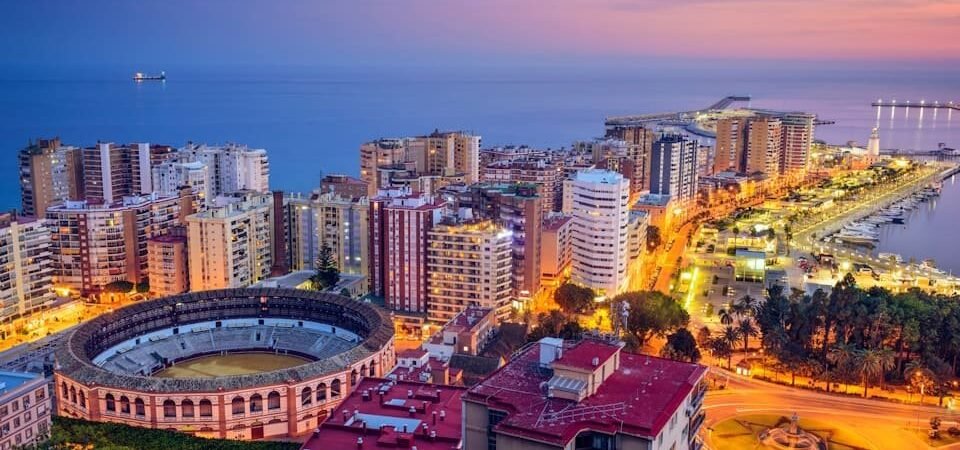
Malaga is no longer just the gateway to the Costa del Sol. This Mediterranean city has reinvented itself as one of Spain’s most compelling urban destinations, blending 3,000 years of layered history with a thriving art scene, excellent beaches, outstanding food, and a climate that delivers around 300 days of sunshine a year. Born as a Phoenician settlement, shaped by Romans and Moors, and forever linked to Pablo Picasso, Malaga offers far more depth than the classic beach-resort image many visitors still expect.
Whether you have one day, a long weekend, or a full week, this complete guide covers the essential things to do in Malaga, the best attractions, practical tips, food highlights, beaches, and easy day trips. Everything is based on current visitor information and local recommendations so you can plan efficiently and enjoy the city at its best.
Why Visit Malaga?
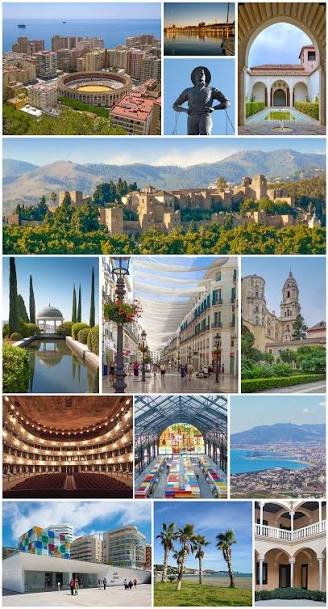
Malaga sits on the southern coast of Andalusia with the Mediterranean at its feet and the mountains behind it. The historic center is compact and walkable. Major sights sit within a 15–20 minute radius of each other. The city has invested heavily in culture: more than 30 museums, a revitalized port area (Muelle Uno), vibrant street art in the Soho district, and a strong culinary identity centered on fresh seafood and traditional Andalusian flavors.
It works equally well as a city break, a beach holiday base, or a launchpad for exploring Andalusia. Spring and autumn offer ideal weather for sightseeing. Summer brings beach life and lively evenings. Winter remains mild enough for outdoor exploration.
If you’re also planning time on the Costa del Sol further west, the lifestyle and luxury scene in nearby Marbella is excellently covered by Inside Marbella.
Top Historic Attractions in Malaga
Alcazaba of Malaga
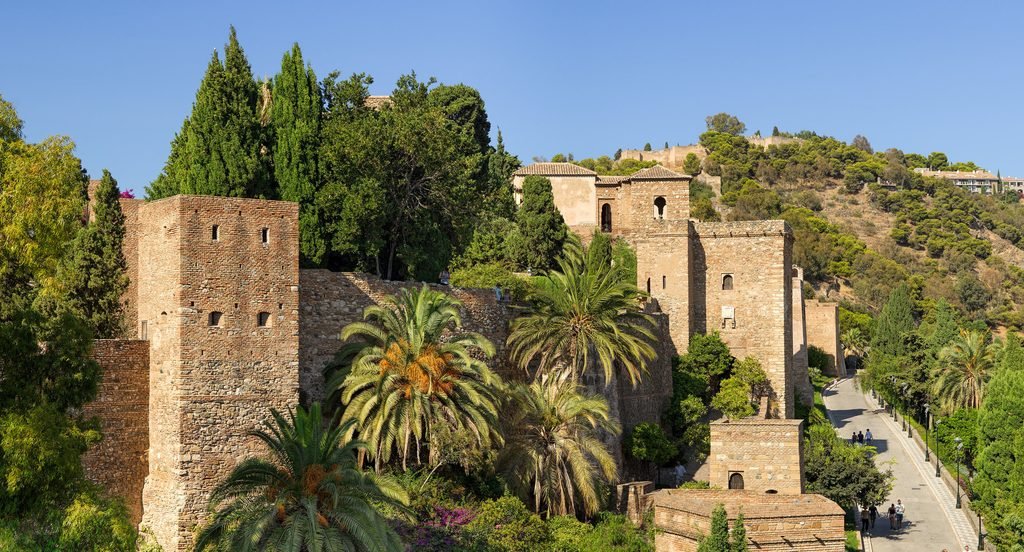
The Alcazaba is Malaga’s standout historic site and one of the best-preserved Moorish fortresses in Spain. Built in the early 11th century by the Hammudid dynasty, it rises in concentric walls, gates, gardens, fountains, and courtyards up the hillside. The architecture shows clear Nasrid influences later associated with the Alhambra in Granada, though on a more intimate scale.
Entry is typically around €3.50–€7 depending on the season and ticket type, with a combined ticket for the Alcazaba and Gibralfaro usually better value. Free entry is often available on Sunday afternoons. Allow 1–1.5 hours. Go early in the morning to avoid heat and crowds. The gardens and views over the port and city are excellent.
Castillo de Gibralfaro
Higher up the same hill, the 14th-century Castillo de Gibralfaro was built to protect the Alcazaba. The climb or short bus ride rewards visitors with the best panoramic views in Malaga: the bullring, the port, the cathedral, the coastline, and on clear days even the African coast. A connecting path (the Coracha) links the two fortifications. Many visitors buy the combined ticket and do both in one outing.
Roman Theatre (Teatro Romano)
Right at the foot of the Alcazaba sits the Roman Theatre, dating to the 1st century BC under Emperor Augustus. Buried for centuries and rediscovered in 1951 during construction work, it is free to view from the street and accessible via the visitor center. The juxtaposition of Roman remains against the Moorish walls above is one of Malaga’s most striking historical layers. Closed Mondays in some periods—check current schedules.
Malaga Cathedral (La Manquita)
Known locally as “La Manquita” (the one-armed lady) because its south tower was never completed, the Cathedral of the Incarnation is a grand Renaissance building with Baroque elements. Construction began in the 16th century on the site of the former main mosque and continued into the 18th century. The interior is impressive, and rooftop tours offer sweeping views of the city center. Standard admission is around €10; early morning entry is sometimes free or reduced.
Picasso’s Malaga: Museums and Legacy
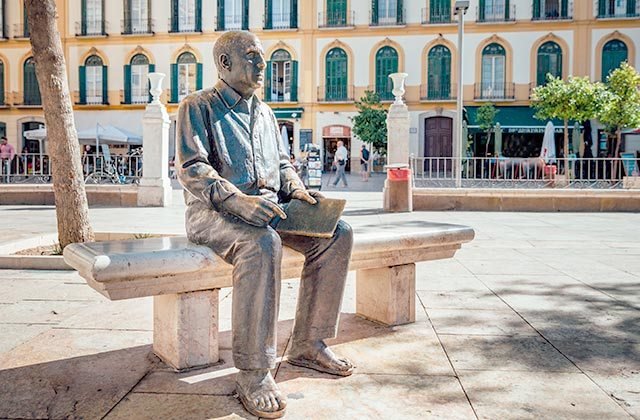
Pablo Picasso was born in Malaga in 1881 and spent his first decade here. The city has fully embraced that connection.
Museo Picasso Málaga occupies the restored 16th-century Palacio de Buenavista and holds more than 200 works spanning the artist’s career, donated largely by his family. It is the essential art stop in the city. Tickets run about €12–€15; booking ahead is recommended in high season. Free entry is sometimes available on Sunday evenings.
Casa Natal de Picasso (Picasso’s Birthplace) sits on lively Plaza de la Merced. The house museum focuses on his early years, family life, and first artistic training under his father. Combining both sites gives a fuller picture of the artist’s roots.
Other strong museum options include the Centre Pompidou Málaga (contemporary art in a colorful glass cube on the waterfront), the Carmen Thyssen Museum (19th-century Spanish painting with an Andalusian focus), and the Museo de Málaga (broad archaeological and fine-art collections). For official destination information, see the Spain.info Malaga page.
Food and Markets: Eating Like a Local
Malaga’s food scene is one of its greatest strengths. Fresh seafood, olive oil, almonds, and local wines form the foundation.
Mercado de Atarazanas is the city’s central market, housed in a 19th-century iron structure that incorporates a Moorish gate and features a striking stained-glass window. Arrive before noon for the best atmosphere. Sample local cheeses (including Payoyo), olives, cured meats, and seafood at the bars inside. It remains a working market rather than a pure tourist attraction.
The signature dish is espetos—fresh sardines threaded onto cane skewers and grilled over wood fires, traditionally in beach chiringuitos. Head east to the former fishing neighborhoods of Pedregalejo and El Palo for the most authentic experience. These areas also excel at pescaíto frito (fried fish) and other seafood. La Malagueta beach is more convenient but busier.
Tapas culture thrives in the old town. Try classic Andalusian plates alongside modern interpretations. Malaga wine—sweet and fortified styles made from Pedro Ximénez or Moscatel grapes—pairs beautifully with local dishes. Antigua Casa de Guardia is a historic tavern known for pouring from the barrel.
Beaches and Waterfront
Malaga offers more than 14 km of coastline. Playa de la Malagueta is the main city beach—sandy, equipped with facilities, and a short walk from the center and port. It is ideal for a quick swim or afternoon sun after sightseeing.
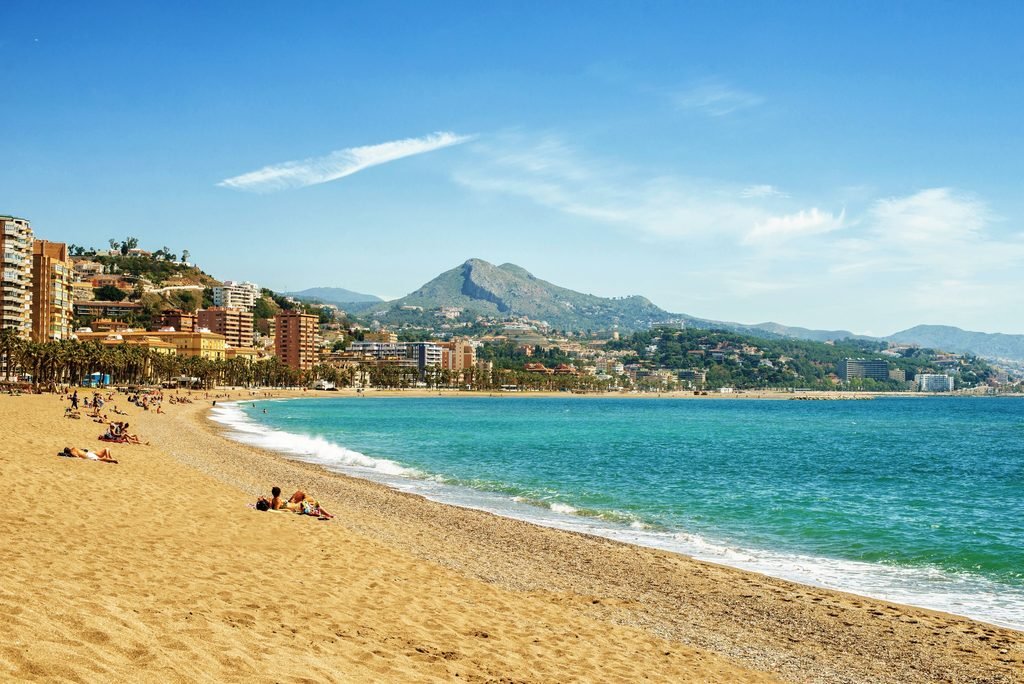
Further east, Pedregalejo and El Palo provide a more relaxed, local feel with calmer coves, family-run chiringuitos, and better seafood. These neighborhoods reward a half-day or evening visit.
Muelle Uno, the regenerated port area, has become a popular promenade with shops, restaurants, the colourful Centre Pompidou cube, and evening atmosphere. It connects the historic center to the beach and offers a modern counterpoint to the old town.
Neighborhoods and Free Experiences
The historic center is best explored on foot. Calle Larios is the elegant pedestrian main street. Plaza de la Constitución and Plaza de la Merced are lively squares filled with cafés. The labyrinth of side streets rewards wandering.
Soho is the creative district, home to large-scale street art from the MAUS project, independent galleries, and the Teatro del Soho. It adds a contemporary, slightly edgy layer to the city.
Other free or low-cost highlights include viewing the Roman Theatre from the street, walking the lower Gibralfaro mirador for views without paying the full castle entry, and sunset from rooftops or the waterfront.
Practical Itineraries
One Day in Malaga
- Morning: Roman Theatre → Alcazaba → Gibralfaro.
- Lunch: Mercado de Atarazanas.
- Afternoon: Picasso Museum and Plaza de la Merced, then the Cathedral.
- Evening: Muelle Uno or Pedregalejo for espetos and sunset.
Two or Three Days
Add beach time, Soho street art, another museum (Pompidou or Thyssen), and a half-day at Pedregalejo. Include a rooftop or Gibralfaro sunset.
Longer Stay
Use Malaga as a base for day trips while enjoying evenings in the city.
Best Day Trips from Malaga
- Caminito del Rey: The dramatic gorge walkway (book well in advance; timed tickets). About one hour away.
- Ronda: Dramatic gorge town with historic bridges. Roughly 1.5–2 hours.
- Nerja: Attractive coastal town with caves and beaches, about 50–60 minutes.
- Granada: The Alhambra is the major draw (book far ahead). About 1.5 hours by car or bus.
Practical Tips for Visiting Malaga
Getting There and Around
Malaga Airport (AGP) is well connected and a short train or bus ride from the center. The historic center is largely pedestrian. Buses and taxis cover longer distances. Walking is the best way to experience the core sights.
When to Visit
April–May and September–October offer the best balance of weather and fewer crowds. July–August are hottest and busiest. Winter is mild and quieter.
Tickets and Timing
Book the Picasso Museum and Caminito del Rey in advance during peak periods. Many major sites offer free or reduced entry on Sunday afternoons—check current rules. Start outdoor sites early to avoid midday heat.
Budget
Major attractions are reasonably priced. Combined tickets save money. Markets and chiringuitos offer excellent value for food. Accommodation ranges from budget hostels in the center to higher-end hotels near the port or beach.
Local Customs
Lunch is typically later (around 2 pm). Dinner starts after 9 pm. Many shops and some attractions close for a few hours in the afternoon.
Final Thoughts: Why Malaga Stands Out
Malaga succeeds because it refuses to be only one thing. You can climb a Moorish fortress in the morning, stand in a Roman theatre, see Picasso’s work, eat grilled sardines by the sea in the afternoon, and finish the day with contemporary art or street murals. The city is compact enough for efficient exploration yet rich enough to reward longer stays. Its transformation from a somewhat overlooked port into a confident cultural destination makes it one of the most rewarding places to visit in southern Spain right now.
Plan your days around the Alcazaba–Picasso–beach triangle, leave room for spontaneous market stops and sunset views, and you will understand why so many travelers now stay longer than they originally intended. Malaga delivers sunshine, history, art, and flavor in equal measure—exactly what a great Mediterranean city break should offer.