Marbella: The Ultimate 2026 Guide to the Costa del Sol’s Most Glamorous Destination
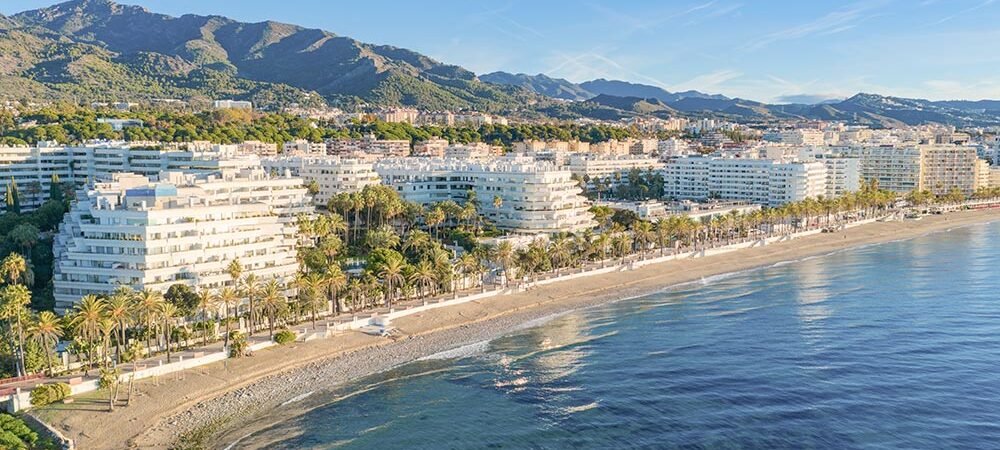
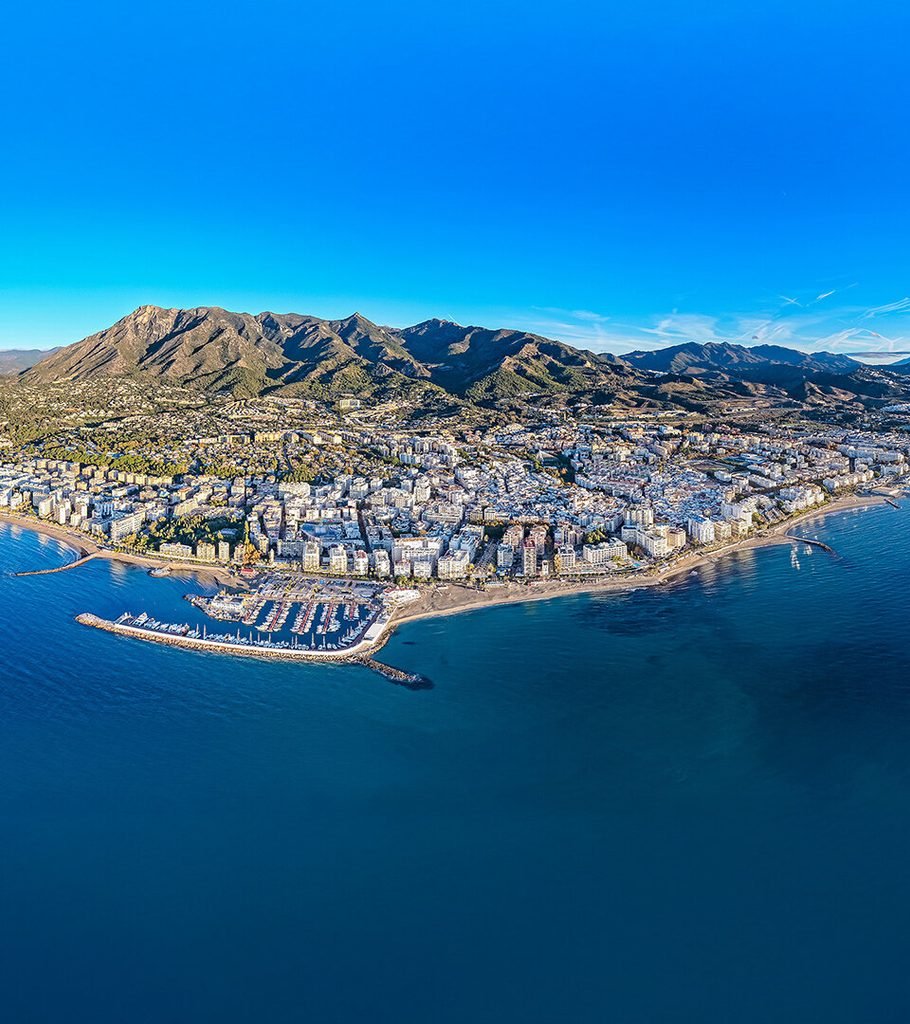
Marbella sits on the western Costa del Sol in the province of Málaga, roughly 45–60 minutes by road from Málaga Airport. It is the region’s best-known luxury resort, famous for its Golden Mile of five-star hotels, the glittering marina of Puerto Banús, long sandy beaches backed by the dramatic peak of La Concha, and a surprisingly authentic historic old town. Yet beyond the yachts and beach clubs lies a genuine Andalusian town with orange-tree squares, whitewashed lanes, excellent public coastal paths, and a year-round resident population that keeps the place feeling alive outside peak summer.
This comprehensive 2026 guide covers Marbella’s history, beaches, main attractions, neighbourhoods, food scene, practical transport, events, day trips, and honest advice for different types of travellers so you can plan a visit that matches what you actually want from the Costa del Sol.
A Brief History of Marbella
Human presence in the area stretches back to prehistoric times, with Phoenician, Roman and later Moorish settlements. The Romans left traces including villas and the bridge that later gave its name to the Puente Romano resort. Under Moorish rule the settlement grew around a fortress. In 1485 the Catholic Monarchs captured the town; the following year the Plaza de los Naranjos was laid out on the site of the old medina, becoming the heart of the Christian town.
For centuries Marbella remained a modest agricultural and fishing community. The modern transformation began in the 1940s and 1950s when Prince Alfonso de Hohenlohe opened the Marbella Club, attracting European aristocracy and celebrities. José Banús developed Puerto Banús in the early 1970s, cementing the town’s reputation for luxury. High-end tourism and second-home ownership followed, yet the historic centre retained its traditional character and the surrounding mountains (Sierra Blanca and the UNESCO-recognised Sierra de las Nieves) continued to frame the coast.
Today Marbella balances international glamour with everyday Spanish life. English is widely spoken in tourist areas, but Spanish remains the language of local markets, neighbourhood bars and municipal life.
Marbella Beaches and the Paseo Marítimo
Marbella offers nearly 28 km of coastline and around 24 beaches. Many hold Blue Flag status for water quality, safety and services. The sand is generally fine to medium, the water calm, and the backdrop of La Concha mountain is constant.
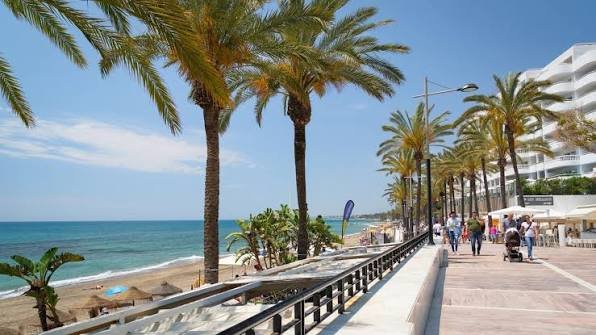
The Paseo Marítimo (seafront promenade) runs for about 7 km from the town centre to Puerto Banús and forms part of the longer Senda Litoral coastal path. It is mostly flat, ideal for walking, cycling or running, and lined with palm trees, benches, outdoor gyms and chiringuitos.
Key beach sections include:
- Playa de la Fontanilla and Playa de Venus / La Bajadilla – the most central and convenient, a short walk from the Old Town. Well-serviced with showers, lifeguards in season, sunbeds and a lively atmosphere.
- Nagüeles and Casablanca (Golden Mile) – broader, more polished stretches in front of the Marbella Club and Puente Romano. Popular for beach clubs and a more upscale feel.
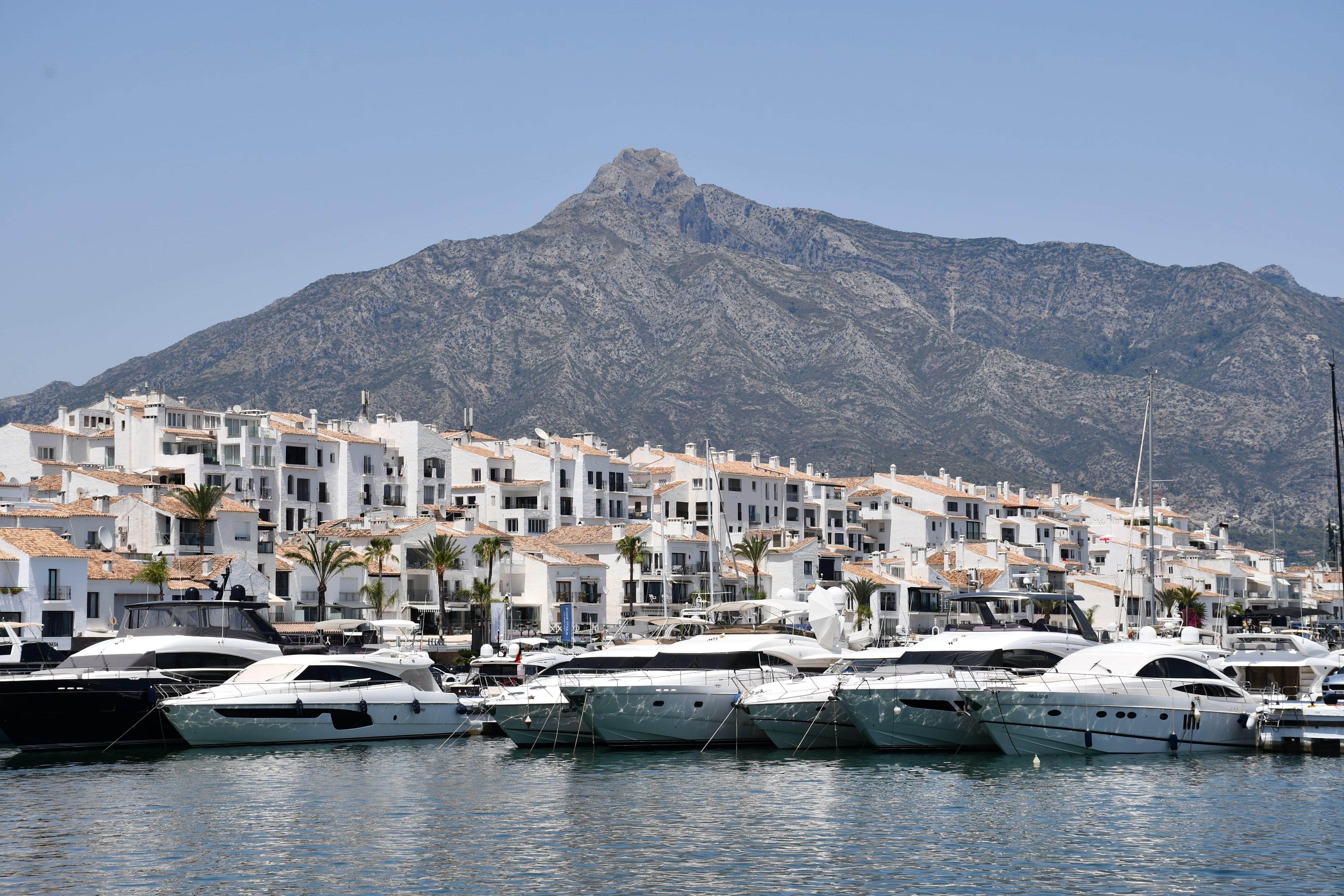
- Puerto Banús beaches – sheltered by breakwaters, with views of the marina and mountain. Convenient if you are staying or dining in the port area.
- Cabopino / Artola Dunes – further east, the most natural stretch with protected dunes, a wooden boardwalk and a quieter, scenic atmosphere. Excellent for families and those seeking less commercial sand.
- San Pedro de Alcántara and Guadalmina – wider, more residential beaches to the west with good promenades and a stronger local character.
Most beaches offer sunbed and umbrella hire in season. Early morning or late afternoon visits are more pleasant in July and August.
Top Attractions in Marbella
Old Town (Casco Antiguo) and Plaza de los Naranjos
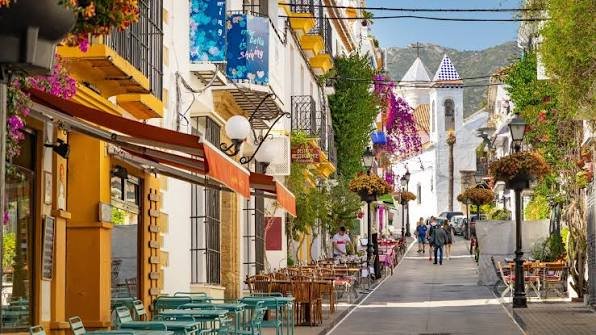
The historic centre is compact, pedestrian and genuinely charming. Whitewashed houses, flower-filled balconies, narrow cobbled lanes and the central Plaza de los Naranjos (Orange Square) form the heart of traditional Marbella. The square, laid out in the late 15th century, is shaded by orange trees and ringed by restaurants and the town hall. Nearby stand the remains of the Moorish walls and the Church of Nuestra Señora de la Encarnación. Early morning or evening is the best time to wander before or after the day-tripper crowds.
Puerto Banús
Opened in 1970, this purpose-built marina remains the most famous on the Costa del Sol. Superyachts, designer boutiques (Gucci, Louis Vuitton, etc.), waterfront restaurants and a lively evening scene define it. Even if luxury shopping is not your priority, the harbour walk and people-watching are worth an hour or two. It is easily reached on foot or by bike along the promenade from central Marbella (about 6–7 km).
Golden Mile
The stretch of coast and inland between central Marbella and Puerto Banús is lined with exclusive hotels, private estates and beach clubs. It is more of an atmosphere and address than a single sight, but the coastal path through it is one of the most pleasant walks on the coast.
Avenida del Mar and Dalí sculptures
This short pedestrian avenue linking the Old Town to the seafront is lined with ten bronze sculptures by Salvador Dalí. Free to see and often overlooked.
Other highlights
Museums such as the Bonsai Museum and the Contemporary Engraving Museum offer quieter cultural stops. The Starlite Festival (summer open-air concerts in a former quarry) draws major international artists. Golf courses are numerous in the surrounding area if that is your interest.
Neighbourhoods and Atmosphere
Marbella is not uniform. The Old Town offers history and walkability. The central seafront is the busiest commercial and tourist zone. The Golden Mile and Puerto Banús lean toward luxury and nightlife. Nueva Andalucía (around Puerto Banús) and San Pedro de Alcántara have stronger residential and local Spanish character. East toward Cabopino feels quieter and more natural. The large international community means English is common, yet Spanish life continues in markets, neighbourhood bars and municipal events.
Food and Drink
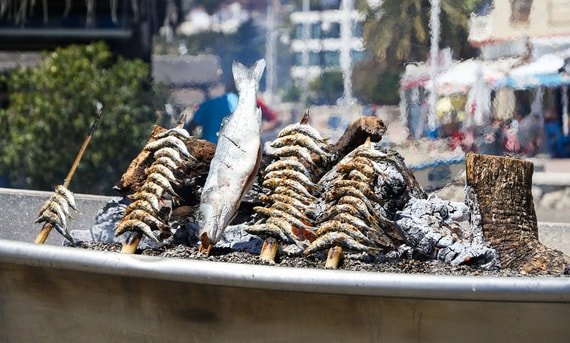
Seafood is excellent. Espetos (sardines grilled over open fires on the beach) remain a Costa del Sol classic. Fresh fish, prawns, arroz dishes and traditional Andalusian tapas are widely available. The Old Town has atmospheric squares and lanes for evening tapas crawls. Along the promenade and Golden Mile you will find everything from casual chiringuitos to high-end restaurants (including options by well-known chefs). Puerto Banús offers international and luxury dining with marina views. For better value and more local atmosphere, look a street or two inland from the main tourist strips or head to San Pedro.
Practical Information
Getting there
Málaga Airport (AGP) is the nearest major airport. Transfers take 45–60 minutes by car, taxi or private transfer. Public buses run regularly; there is no direct train into Marbella itself (the Cercanías line ends further east). Once in town, the Old Town, central beaches and promenade are walkable. Buses and taxis connect to Puerto Banús, San Pedro and further afield. A car is useful for day trips but not essential if you stay central.
Best time to visit
April–June and September–October offer the best balance of warm weather, lower prices and fewer crowds. July and August are hottest and busiest. Winter is mild by northern European standards with plenty of sunshine, though some beach services reduce.
Events
The Starlite Festival runs through the summer. Local ferias and religious festivals take place throughout the year. Markets operate on different days in various neighbourhoods (check current schedules for Monday markets and others).
Day trips
Ronda is a classic inland excursion (dramatic gorge and historic centre). Mijas Pueblo, Ojén, Gibraltar and the white villages of the Sierra are all feasible. Málaga city is easily reached for a full day of culture and museums. The Caminito del Rey is also accessible with advance booking.
Who Is Marbella Best For?
Couples and luxury travellers appreciate the hotels, beach clubs and dining. Families find good beaches and facilities, especially outside the absolute peak weeks. Independent travellers and those who like a mix of beach and culture enjoy the Old Town and coastal walks. It is less ideal if you are seeking a low-key, purely local Spanish fishing-town atmosphere (Estepona or parts of Fuengirola may suit better for that).
Tips for a Great Visit
Wear comfortable shoes for the Old Town cobbles and the long promenade. Book popular restaurants and beach clubs in high season. Visit the Old Town early or late to avoid the largest coach groups. Use the coastal path to move between centre and Puerto Banús without a car. Bring or buy reef-safe sunscreen. Learn a few basic Spanish phrases — they are appreciated. For quieter beaches, head toward Cabopino or the western residential stretches.
Marbella rewards visitors who combine the glamour with the historic centre and the simple pleasure of walking the seafront. Spend a morning in the whitewashed lanes, an afternoon on the sand, and an evening watching the light change over La Concha, and you will understand why it remains the Costa del Sol’s signature destination.
Frequently Asked Questions about Marbella
Is Marbella worth visiting?
Yes. It combines luxury amenities, excellent beaches, a genuine historic centre and strong infrastructure, making it one of the most complete destinations on the Costa del Sol.
How many days do you need in Marbella?
Three to five nights allow the main sights at a relaxed pace plus beach time. Longer stays work well if combining with golf, day trips or simply enjoying the climate.
What is the best beach in Marbella?
La Fontanilla for convenience from the centre. Nagüeles or Casablanca for a more polished Golden Mile feel. Cabopino for a natural, dune-backed experience.
Is Marbella safe?
Yes, it is generally considered safe with a strong tourist-police presence. Normal travel precautions apply, especially in busy nightlife areas.
Can you visit Marbella without a car?
Yes for the centre, Old Town, promenade and Puerto Banús (via walking, cycling or local buses/taxis). A car helps for more distant beaches and inland day trips.
What is the weather like in Marbella?
Mild winters (average highs around 16–18°C) and hot, dry summers (often 28–32°C or higher). Sea temperatures are pleasant from late spring to autumn.
Is there nightlife in Marbella?
Yes, especially around Puerto Banús and certain beach clubs. The Old Town is more about evening strolling and dining than late clubs.
How far is Marbella from Málaga?
Approximately 50–60 km. Road transfers take 45–60 minutes depending on traffic.