Mijas: Complete Guide to the White Village and Costa del Sol Gem (2026)
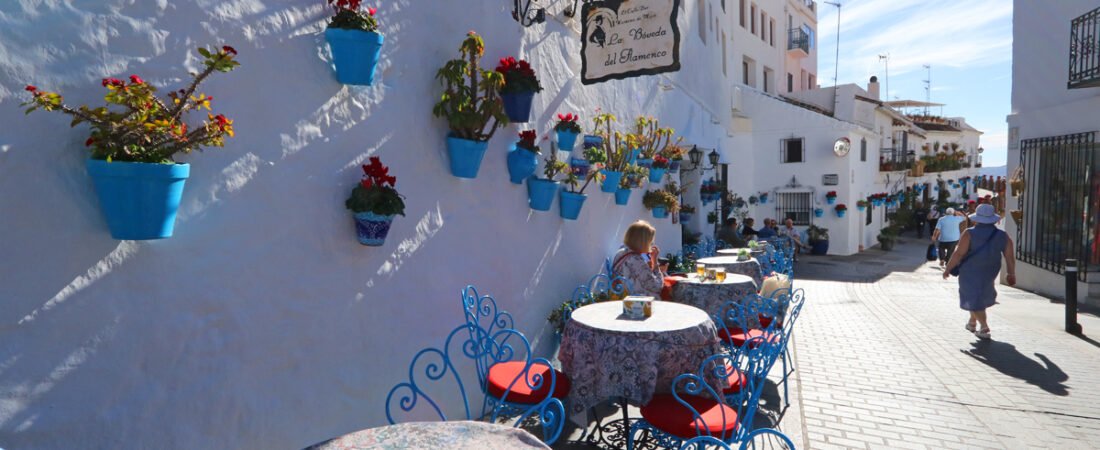
Mijas is a municipality on the Costa del Sol that contains three distinct areas: the historic hill village of Mijas Pueblo, the coastal strip known as Mijas Costa (including La Cala de Mijas), and the more residential and commercial zone of Las Lagunas near Fuengirola. When most travellers say “Mijas,” they mean Mijas Pueblo — the classic Andalusian white village perched on the mountainside with panoramic views over the Mediterranean.
This guide focuses primarily on Mijas Pueblo while covering the coastal areas, practicalities, history, food, and how the different parts of the municipality fit together.
History and Setting
Evidence of settlement goes back to Phoenician, Tartessian, and Roman times. Under Moorish rule the village was known as Mixa and occupied a strong defensive position. It fell to the Catholic Monarchs in 1487. The street layout still reflects Arabic origins in places. In 1969 the historic centre was declared a Historic-Artistic Site. Until the mid-20th century it was primarily agricultural. Tourism transformed the area from the 1960s onward, yet the pueblo has retained much of its traditional character thanks to careful preservation of the whitewashed architecture and the dramatic hillside setting at roughly 430 metres above sea level.
The views from the upper parts of the village stretch across the coastline from Fuengirola toward Marbella and, on clear days, toward Gibraltar and the African coast.
Exploring Mijas Pueblo
The best way to experience the village is on foot. Wear comfortable shoes because the streets are steep and cobbled in places. The main areas are compact enough to explore in a few hours, but the atmosphere rewards a slower pace.
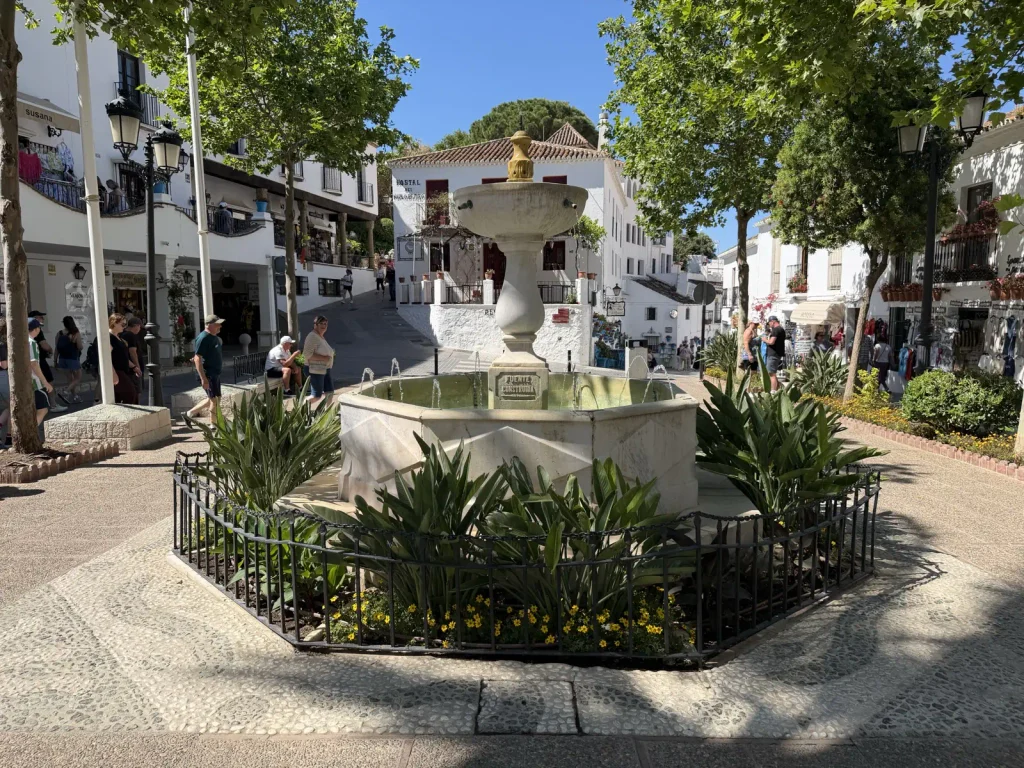
Plaza de la Constitución and surrounding streets
The central square with its fountain is a natural gathering point. From here, wander the white streets lined with flower pots (often blue ceramic), wrought-iron balconies, and small shops. Calle San Sebastián, Calle Carril, and the flower-filled steps in Callejón de los Gitanos are among the most photogenic.
Ermita de la Virgen de la Peña
Carved directly into the rock face, this small sanctuary dates from the 17th century (work took place roughly 1656–1682). It is dedicated to the village’s patron saint. The legend involves shepherd children guided by a dove who discovered a statue hidden during the Moorish period. The setting is intimate and atmospheric.
Plaza de Toros (Bullring)
One of the few oval bullrings in Spain (most are circular) and one of the smallest. Built around 1900, it includes a small museum with costumes, photographs, and history. Entry is inexpensive. Even if you have no interest in bullfighting, the unusual architecture and hillside location make it interesting.
Jardines de la Muralla and viewpoints
These gardens follow the old defensive walls and offer some of the best panoramic views of the coast. Benches, flowers, and pathways make it a peaceful spot. Nearby is the Church of the Immaculate Conception (Iglesia de la Inmaculada Concepción), built on earlier structures.
Donkey taxis
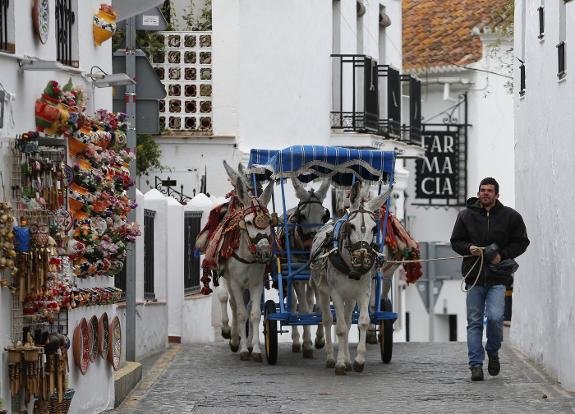
A long-standing tourist tradition that began in the mid-20th century when workers returning from the fields on donkeys attracted the attention of visitors. Short rides are available and remain popular for photos, though opinions on the practice vary.
Museums and cultural sites
- Historical-Ethnological Museum (Casa Museo) – local history, traditional tools, and way of life.
- Carromato de Max – a quirky collection of miniatures.
- CAC Mijas (Centro de Arte Contemporáneo) – contemporary art including a significant collection of Picasso ceramics, plus works by other artists such as Dalí and Miró.
Free or low-cost flamenco performances are sometimes offered by the tourism office on certain days (check current schedules).
Mijas Costa and the Beaches
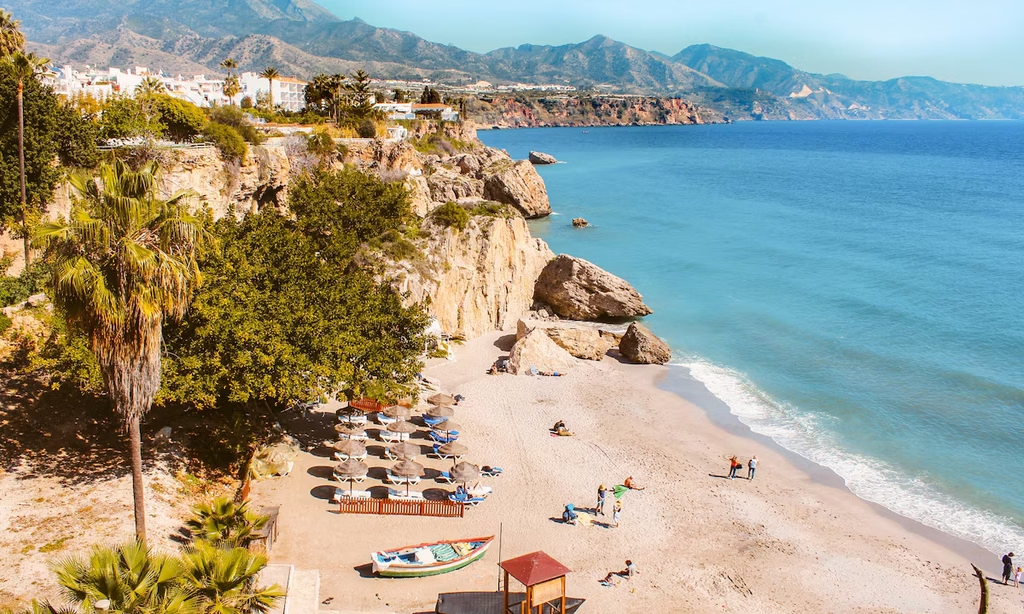
While the pueblo is the cultural highlight, Mijas Costa offers approximately 12 km of coastline. Beaches include La Cala, El Chaparral, Calahonda, El Bombo, Riviera, and others. Several hold Blue Flags and Q for Tourist Quality awards, and parts of the coast have environmental and accessibility certifications. La Cala de Mijas is the main coastal hub with a more developed tourist and residential feel, restaurants, and the Torreón de la Cala watchtower interpretation centre. The coastal path is good for walking and cycling.
Las Lagunas is the most populated area and blends into Fuengirola, with commercial facilities, residential zones, and easy access to both the beach and the pueblo.
Practical Information
Getting to Mijas Pueblo
From Fuengirola the M-122 bus runs regularly (roughly every 30–45 minutes) and is inexpensive. The journey takes about 20–30 minutes. Taxis cost around €15–25 one way depending on exact location and time. From Málaga or other points, driving or combining train + bus/taxi works well. There is public parking, including options open 24 hours, but it can fill up in peak season — arriving early helps.
Best time to visit
Spring and autumn are ideal for walking the steep streets without extreme heat. Summer is busy with day-trippers; early morning or late afternoon visits are more pleasant. Winter is quiet and mild.
Food and drink
Expect traditional Andalusian dishes. Local specialities include various soups (gazpachuelo, maimones, garlic soup, cachorreñas) and seafood on the coast. In the pueblo you will find restaurants with terrace views, tapas bars, and places serving grilled meats and local produce. Many spots cater to tourists, but it is still possible to find more authentic, quieter places a little off the main routes.
Events
The main local festival honours the Virgen de la Peña in early September. Other celebrations take place in Las Lagunas (late June) and La Cala (late July). Markets and seasonal events occur regularly.
Day Trips and Combining Visits
Mijas Pueblo pairs perfectly with a stay in Fuengirola (easy bus or taxi). From either base you can reach Málaga, the beaches of the Costa del Sol, or inland destinations. The combination of mountain village and coast in one municipality is one of Mijas’s strongest points.
Tips for Visiting Mijas
Arrive early or later in the day to avoid the largest coach groups. Wear good walking shoes. Bring water, especially in summer. Support local artisans if buying souvenirs. Check current opening times for museums and the bullring, as they can vary by season. If mobility is limited, note that the village is steep — the lower areas and main square are more accessible than the higher viewpoints.
Mijas Pueblo delivers the classic white-village experience that many people hope to find on the Costa del Sol: flower-filled streets, dramatic views, a sense of history, and a compact scale that rewards unhurried exploration. Pair it with time on the nearby beaches or a base in Fuengirola, and you have one of the most complete short-break or holiday combinations in the region.

Frequently Asked Questions about Mijas
Is Mijas Pueblo worth visiting?
Yes. It is one of the most attractive and well-preserved white villages on the Costa del Sol, with excellent views, historic sites, and a genuine Andalusian atmosphere.
How long do you need in Mijas Pueblo?
Half a day is enough for the main sights at a moderate pace. A full day allows a more relaxed visit including museums, lunch, and the viewpoints.
How do you get from Fuengirola to Mijas?
Regular local bus (M-122), taxi, or car. The bus is the cheapest and most convenient for most visitors.
Are the donkey taxis ethical?
Opinions differ. They have operated for decades as a tourist attraction. Visitors who prefer not to participate can simply enjoy the village on foot.
What is the difference between Mijas Pueblo and Mijas Costa?
Mijas Pueblo is the historic hill village. Mijas Costa is the coastal strip with beaches and more modern development. Las Lagunas is the residential/commercial area near Fuengirola.
Is Mijas good for families?
Yes, especially when combining the pueblo with beach time on Mijas Costa. The village itself has some steep sections, so plan accordingly with young children or strollers.
When is the best time to visit Mijas?
April–June and September–October for comfortable temperatures and fewer crowds than peak summer.
Can you visit Mijas as a day trip from Málaga?
Yes. It is feasible by car or a combination of train/bus, though staying in Fuengirola makes logistics simpler.
Both Fuengirola and Mijas reward visitors who look beyond the surface. Fuengirola offers practical beach-town living with strong infrastructure and year-round appeal. Mijas Pueblo provides the classic white-village postcard views and atmosphere only a short distance inland. Together they form one of the strongest combinations on the Costa del Sol.